Tourism, it’s boom on the Riviera. The secret: “New people and the third age is coming back.”

Riccione, July 4, 2021 – The pandemic can also be an opportunity especially if one of the effects is sold out beaches. “So many people are choosing our Riviera Romagnola and it’s shaping up to be a very good summer with lots of requests for reservations. In several areas of the coastline it will be impossible to find umbrellas in August.” Diego Casadei is the regional president of the Oasi lifeguard union and president of the Riccione Lifeguard Cooperative. In recent days the cooperatives on the Romagna coast have met to take stock of booking trends, and the picture that has emerged is one to print a smile on lifeguards’ faces.

Casadei, have you already occupied all the umbrellas?
“Reservations and requests are many, and this is happening across the board on the Romagna Riviera. We are talking about estimates, because the accounts will be done at the end, but it looks like a good season and a good August.”

Are there lifeguards who have had to close reservations?
“Yes, obviously this does not happen everywhere, but there are areas where this has already happened for the middle part of the season, even here in Riccione.”

In Cattolica, lifeguards plan to halt all-inclusive packages with hotels given the volume of requests.
“It’s happening. Especially in August we will have many areas sold out.”

Are we back to pre-pandemic beach attendance?
“It’s going to be a good summer, but it’s hard to make comparisons because we have to take into account that due to the effect of spacing, the number of shadows has decreased. We could say that on average we have -15 percent, but the figure is variable depending on the size and characteristics of the establishments that are on the Riviera.”

What are the reasons for the sell-out?
“In addition to the smaller number of shadows there has been the important return in terms of numbers of third age social tourism. In the past we used to see them in June and September, this year it is concentrated in the middle part of the summer, and this increases employment.”

They waited for the second vaccination before leaving…
“It’s a season that suffers the effects of the pandemic.”

Like the difficulty in crossing European borders?
“Also. There were Italians who preferred to go abroad in the summer and instead decided to spend it here. Others who chose locations in different parts of the country and instead booked on the Riviera. This is also an important opportunity for us to demonstrate the level of services we have achieved. We have become known for hospitality; today we can show what we can do. Despite the uncertainties we are experiencing regarding the future of state concessions, many lifeguards continue to invest.”

It will be a great summer, but what about prices?
“If we refer to those offered by the establishments, we are in line with previous years. In some cases there may be adjustments in areas of influx that have been most affected by the shadow cut. But we are talking about competitive rates. In general, the Romagna Riviera is competitive on prices against services.”

Domestic tourism good, but the foreigners’ rebus remains.
“Where there are limitations such as the non-recognition of the Sputnik vaccine for Russians, there may be problems.”

Green passes, coronavirus testing and forced isolation: here are the rules of the summer for tourism abroad

Leaving for foreign countries or returning to Italy will require extra attention this year. Before reaching stations or airports, even before booking a trip, it is essential to check what anti-Covid requirements are required to cross borders, even if only in transit.

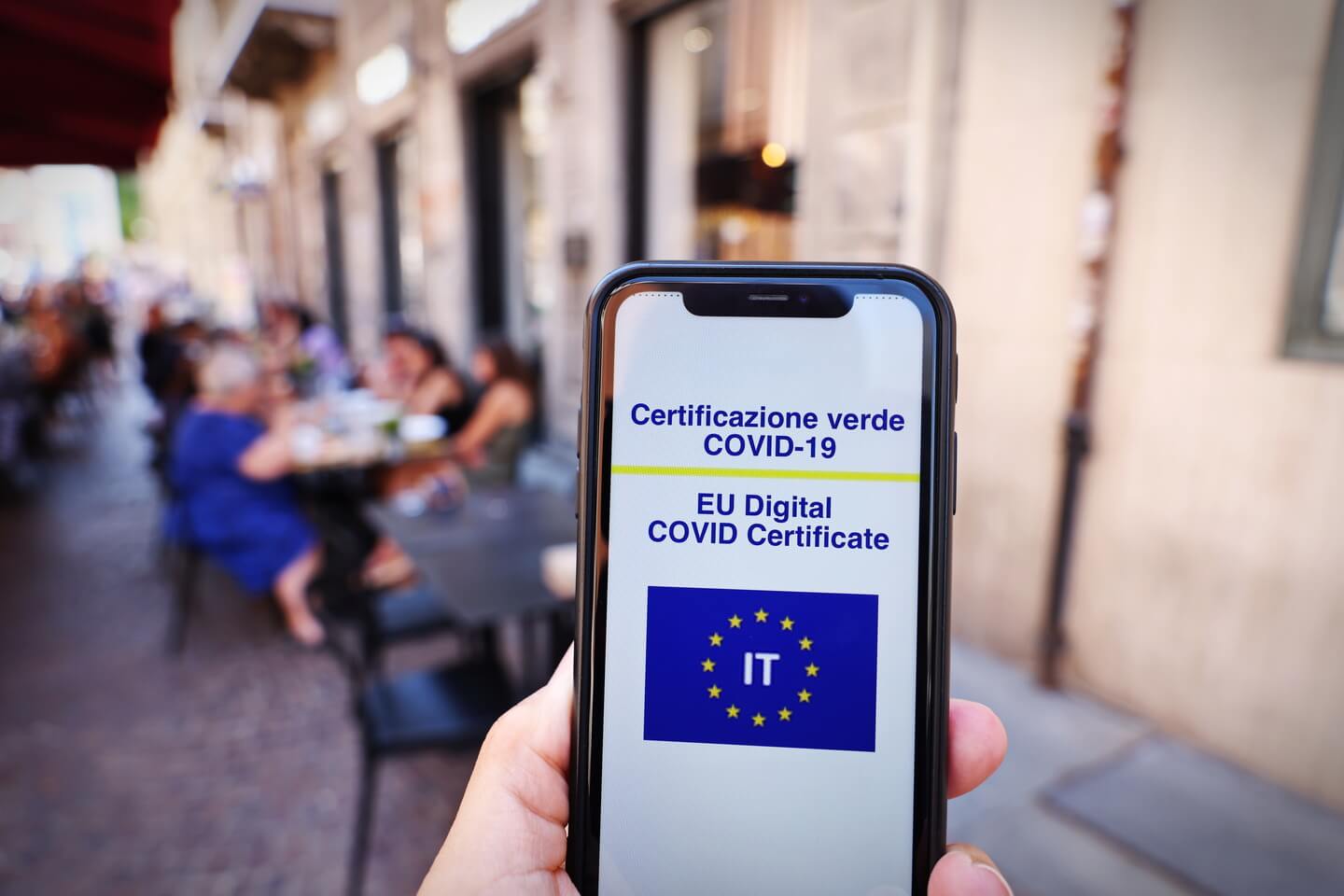
At present, the world is divided into five bands, for each of which there are different regulations that must be met in order to travel safely. First step: the green pass, the “green certificate” (paper or digital) required for many greenways. As of July 1, it will be valid as an “EU digital Covid certificate” for travel to and from all EU and Schengen countries. It’s coming soon, downloadable here or through apps “Immuni.” or “I.” The company running the app has posted, on its Twitter profile, an instructional video. In the meantime, Italy (where to date only Valle d’Aosta remains in the yellow zone and all other regions are “white”) has activated since June 17 the national platform to obtain the certification, which certifies that the vaccination has been carried out, or that the person is cured of Covid-19, or that the molecular or antigenic test result is negative. Since the launch of the nationwide service, on the “I” app, citizens can in two simple steps view and store their pass on their smartphone or tablet: they will receive a notification on their device without making requests, or entering codes or other data. It is enough to have logged in at least once with Spid or Cie. The app shows the QR code and the details of the certificate, which can then be shown directly. In addition, by clicking on the “Details” button on the same screen, the contents of the certificate and related health data can be read.

It should be said at the outset that for Bangladesh, Brazil, India and Sri Lanka, the Minister of Health has-as of today’s date-ordered a ban on entry into Italy for those who have stayed or even transited there in the 14 days prior to the day they would like to return to our country.

Green Pass, here’s what it is, how it works and what it’s for:
Here, in detail, are all the other restrictions. Staying very close to home, there are no restrictions for those crossing the borders of San Marino and Vatican City from Italy. However, for those entering San Marino or Vatican City from abroad, one must, of course, first check the obligations of entry into Italy.
Yes to tourists, but beware of the obligations to be met
Still considering the provisions to date, travel to and from Austria, Belgium, Bulgaria, Cyprus, Croatia, Denmark (including the Faroe Islands and Greenland), Estonia, Finland, France (including Guadeloupe, Martinique, Guyana, Reunion, Mayotte and excluding other territories located outside the European continent) is permitted without the need to provide a reason Germany, Greece, Ireland, Latvia, Lithuania, Luxembourg, Malta, the Netherlands (excluding territories located outside the European continent), Poland, Portugal (including the Azores and Madeira), the Czech Republic, Romania, Slovakia, Slovenia, Spain (including territories on the African continent), Sweden, Hungary, Iceland, Norway, Liechtenstein, Switzerland, Andorra, Monaco, and Israel. As for the United Kingdom and Northern Ireland (including Gibraltar, Isle of Man, Channel Islands, and British bases in the island of Cyprus) since last May 14, it is considered a separate case: those who have stayed or even transited here in the fourteen days prior to arrival in Italy must present a document certifying that they have undergone molecular or antigenic testing in the 48 hours prior to arrival in Italy (strictly with a negative result). Regardless of the test result, he must still undergo health surveillance and fiduciary isolation at home for 5 days, informing the prevention department of his local health authority: at the end of this period he must finally undergo a new molecular or antigenic test. Children under 6 years of age are not required to undergo the test, but will still have to remain in isolation.

Certificate in your pocket and isolation for 10 days upon arrival in Italy
Until at least July 30 (and if the situation remains unchanged) if in the 14 days prior to re-entry (or entry, for foreigners) into Italy you have stayed in or even transited Australia, New Zealand, Republic of Korea, Rwanda, Singapore, Thailand it is compulsory to fill out the online Digital Passenger Locator Form (dPLF), have a certificate stating a negative result of a molecular or antigenic test performed in the previous 72 hours, inform the local Asl of one’s entry into Italy, still remain in isolation and surveillance 10 days. From the airport one can reach home exclusively by private vehicle. After the 10-day quarantine period, another swab is mandatory.

Those who come from Canada, Japan or the United States and have a valid green pass can enter Italy without the need for testing and isolation: however, they must fill out the digital Passenger Locator Form and report their presence to the local health authority.

No travel for tourism
In all countries that are part of the rest of the world, not listed above, entry and exit are permitted only for work, health, study or absolute urgent reasons, or to return home. Thus, entry and exit for tourism is prohibited.

Short Movements
Until July 30, those who return to Italy from foreign locations at a distance of no more than 60 kilometers from their place of residence, domicile or home, and have not stopped more than 24 hours are not required to take any test. If you are traveling by your own means and have not stayed abroad (again within 60 kilometers of home) longer than 48 hours, you do not even need to fill out either the “digital Passenger locator form” or a self-declaration.

Summer 2021, how to plan vacations in Covid era

Beware of boarding
Don’t forget that on so-called Covid-tested flights, boarding is allowed only with a rapid antigen test performed before boarding, or by showing a negative result of a molecular or antigen test performed no later than 48 hours before boarding. And upon arrival in Italy, you are again tested at the airport.

The “Viaggiare sicuri” portal of the Ministry of Foreign Affairs reminds that “in the case of failure to board the Covid-tested flight, due to a positive Covid-19 result, a refund of the ticket or the issuance of a voucher of the same amount at the passenger’s request is provided by the air carrier within fourteen days from the date of making the withdrawal and valid for eighteen months after issuance.” The trial of Covid-tested flights for the time being is extended until October 30, 2021.

Always tell where you are Covid
or not Covid, especially when it comes to more “adventurous” trips it is always good to tell Farnesina where we are going and for how long. Just log on to the Ministry’s link and in a few steps we can tell them our destination. It serves and will serve – even after Covid – to be able to track us down in case of emergency.

Also on the ministry’s “Viaggiare Sicuri” website, keep an eye out for the very latest news: on the updates page you can find, country by country, any changes to the rules decided so far for those departing, arriving or transiting from one border to another, to and from Italy, as long as the Covid danger continues to dictate caution.

This is how tourism can restart

There are conditions for the recovery of a crucial sector of our economy, which in any case is called upon to rethink its offerings to remain competitive in the face of rapidly changing demand. It is not a question of cost, since both capital and financial solutions are not lacking, but of changing perspective.

Behind them an annus horribilis

The year 2020 has gone down in history as a very bad year for the hospitality industry. After a positive start, the Covid-19 pandemic broke out, which zeroed in on restarts until late spring. There was a recovery in the summer, but the second wave of contagion hit in the fall and winter. The scenario did not change much in the first quarter of this year, with foreign arrivals plummeting 92 percent (according to a Federalberghi study) compared to the same period in 2019.

A situation that has had dramatic effects on industry players, who lost a total of 16 billion in sales between 2021 and the first three months of 2021. Wealth lost that means companies in crisis, people losing their jobs, and difficulty in moving forward.

There is a desire for recreation

On the positive side, the worst seems to be behind us and, thanks in part to government grants to businesses and families in distress, there are conditions to look to the future with a hint of optimism.

It relies on so-called “revenge travel” the phenomenon whereby, as restrictions due to the pandemic loosen, people are urged to plan a vacation as soon as possible to compensate for long periods of forced home isolation. Possibly to a dream destination — and a safe one at that.

There are conditions for the recovery of a crucial sector of our economy, which in any case is called upon to rethink its offerings to remain competitive in the face of rapidly changing demand. It is not a question of cost, since both capital and financial solutions are not lacking, but of changing perspective.

Behind them an annus horribilis

The year 2020 has gone down in history as a very bad year for the hospitality industry. After a positive start, the Covid-19 pandemic broke out, which zeroed in on restarts until late spring. There was a recovery in the summer, but the second wave of contagion hit in the fall and winter. The scenario did not change much in the first quarter of this year, with foreign arrivals plummeting 92 percent (according to a Federalberghi study) compared to the same period in 2019.

A situation that has had dramatic effects on industry players, who lost a total of 16 billion in sales between 2021 and the first three months of 2021. Wealth lost that means companies in crisis, people losing their jobs, and difficulty in moving forward.

There is a desire for recreation

On the positive side, the worst seems to be behind us and, thanks in part to government grants to businesses and families in distress, there are conditions to look to the future with a hint of optimism.

It relies on so-called “revenge travel” the phenomenon whereby, as restrictions due to the pandemic loosen, people are urged to plan a vacation as soon as possible to compensate for long periods of forced home isolation. Possibly to a dream destination — and a safe one at that.

New strategies needed

It will also be important to invest in security, perhaps taking a cue from some countries that have implemented security protocols that have proven particularly effective. Of course, nothing will be the same as before: the attendance levels recorded up to the eve of the crisis will be seen again not before 2023 or 2024, and the supply side is being called upon to rethink raising the quality of service. The leverage of digitization can be supportive in this regard, especially in helping SMEs (which are the vast majority of companies in the sector) catch up with the gap accumulated over the past decade, and the PNRR (National Recovery and Resilience Plan) provides 8 billion euros in funds for the sector.

It is not just a matter of money, as the tourism sector in our country had structural problems even before the pandemic. In the words of the dossier edited by Agi and Censis, there is a need for “high-level redesign thinking,” with the PNRR itself acting as a driver of change.

We need to improve the quality of extra-hotel offerings, overcome the seasonality of some destinations, act to make our destinations attractive to all peoples and cultures, and try to bring out even the lesser-known locations today. What is needed, in short, is a shared effort between institutions and businesses that looks at things to be done from a global perspective, starting with overcoming the bottlenecks that affect logistics, by land, sea and sky.

The role of land banks

In this scenario, the commitment of the cooperative credit banks that are members of the Iccrea Cooperative Banking Group should be noted, which leverage their historical proximity to the territories in which they operate to offer a series of targeted solutions to companies in the sector, in particular advisory services and financing to foster recovery and support this global rethinking operation of supply.  Highlights include the plafond dedicated to the hospitality segment with CDP funding signed by Iccrea, solutions for enhancing the value of real estate, improving the organizational structure of companies, evaluating the entry of new generations into the company through the gradual generational transition, evaluating alternative financial instruments to bank financing, such as minibonds, and advising on extraordinary operations such as acquisitions and sales of companies or business units. The list could go on with ad hoc financing for the adoption of digital payment and reservation systems, as well as leasing and rental offerings and energy efficiency upgrades.

Initiatives, encapsulated under the brand In Tour – innovative tourism, which aim to enhance the value of accommodation facilities, improve business management with digitalization, and introduce innovative payment solutions. By turning to BCCs, operators and hoteliers can evaluate the most suitable forms of financing, including for extraordinary operations, as well as receive advice on assessing the ecological impact of facilities and proceed with energy efficiency works to reduce consumption.

The Iccrea Cooperative Banking Group brings together more than 130 Cooperative Credit Banks (BCC) present with more than 2,600 branches throughout the country. It has always stood by the side of businesses and households.

Advertising message with promotional purposes of Iccrea Cooperative Banking Group. The catalog of products and services falling within the offer on the “tourism” segment are offered by Iccrea Banca S.p.A., Parent Company of the Iccrea Cooperative Banking Group, and proposed/marketed by the Cooperative Credit Banks of the Group members. For the economic conditions and main contractual clauses of the advertised banking and financing products and services and for anything not expressly indicated, it is necessary to refer to the information sheets available on the website www.iccreabanca.it, as well as at the Branches and the website of the Cooperative Credit Banks.

Digital at the service of tourism: Google Destination Insights arrives in Italy

A new tool that provides useful information for exploring how tourism demand changes over time and monitoring travel trends. Entrepreneurs, travel agencies and institutions will thus be able to observe demand trends in order to make business and marketing decisions based on information and insights that can be consulted in real time. We’re talking about Google Destination Insights, BigG‘s new free tool now available in Italy, which becomes part of the new Travel Insights with Google, a guide that gathers information and tools useful for reaching travelers, available to accommodations, tourism operators and travel agencies. Also part of Travel Insights with Google is Hotel Insights, a platform that offers information and resources designed to help the hotel industry intercept potential tourism demand.

The service was born out of the travel information searches that millions of users make every day on Google to look for travel-related information, which helps connect businesses and customers but at the same time is useful for understanding people’s enthusiasm when it comes to their travel and vacation plans.

According to Google searches from January to April 2021, there is growing interest in domestic tourist destinations, rising from a 55 percent share in 2019 to a 79 percent share in 2021. Looking further at interest in local destinations, Google Trends shows that searches for places to visit “near me” in 2021 saw an 8 percent growth globally compared to 2019. Looking at domestic demand, the regions that garner the most interest are Sicily, Emilia-Romagna and Veneto. Veneto also returns among the regions from which most demand comes, preceded by Lombardy and Lazio. The most sought-after destinations, however, remain the big cities, led by Rome, Milan and Naples.

These are just two examples that highlight how by consulting Destination Insights it is possible to observe what the national or international travel demand is, where it comes from, and filter to analyze different insights over a given period of time, considering, for example, Italy as the country of origin or destination. The tool also offers insight into interest coming from abroad to Italian destinations, which in the last thirty days is driven by neighboring European countries, such as Germany and France; among the top 10 countries from which research interest comes are also the United States, while the others are currently European.

In its efforts directed at the world of tourism Google has since last year been working with entrepreneurs, institutions and experts around the world to develop the digital skills needed to meet future challenges. A partnership with the European Tourism Commission to develop the digital skills of European tour operators has been active since May, and more recently a global partgnership with Unwto, the World Tourism Organization, was also announced to support the industry’s recovery.

The web giant has also initiated collaborations with cultural and governmental institutions to highlight and stimulate travel to places of cultural interest: In Italy, the Meraviglie d’Italia project, carried out by Google Arts&Culture to inspire and foster interest in Italy and its immense cultural heritage, has been active in this area since last year.

Boom of foreign tourists dreaming of Italy, but getting there is still too difficult

“It’s time to book your vacation in Italy. We look forward to welcoming you,” Prime Minister Mario Draghi said at the G20 meeting on May 4, during which he unveiled a plan to restart tourism in Italy, with a paper green pass for those who are immunized, test negative or vaccinated. Losing another season, after last year’s 53 billion euro hole, would be disastrous for a sector that alone, without considering induced industries, was worth 13 percent of GDP in 2019.

Ursula Von der Leyen, president of the European Commission, also told the New York Times that, given the efficiency of the vaccination campaign in the United States, Europe will open up by the summer to North Americans. The news, though lacking definite timeframes and ways, was greeted with enthusiasm by travelers and agencies, as evidenced by a 47 percent surge in searches for flights from the United States to Paris, Amsterdam and Frankfurt as soon as the news was received. European countries with a strong tourism focus also reacted positively, except that they then came to terms with a much more complex reality, with the variety of individual situations between still ongoing curfews and slow-moving vaccinations, while there are countries such as Spain, Greece and Iceland that already had a definite plan in place for months to welcome tourists since last April.

“We need to catch up on protocols.”

For a non-European, but also for operators who make travel arrangements, the picture is still disorienting. Luca Finardi, vice president for Italy of the luxury hotel group Mandarin Oriental, urgently calls for a defined reopening plan: “I believe that in this climate of uncertainty Italy must get organized as soon as possible, giving directives on its territory to communicate them clearly to Anglo-Saxon countries and those in the Middle East, where most of the population is now vaccinated.” He continues, “This preventive action can save the summer and fall seasons. Americans and Middle Easterners are the most important markets for many Italian destinations, the islands, coasts, lakes and mountains, and especially art cities, which do not enjoy proximity tourism in summer.” The hoteliers’ demand is simple, as Finardi summarizes, “We are asking to admit people from those countries into the European green pass as soon as possible. There are some covid free flights for vaccinated and swabbed, which do not include quarantine upon arrival. But they are already are all full. Our proposal is to eliminate quarantine for those who have a valid vaccination document, as Spain and France will do starting in the next few days.”

Ultra high-net-worth individuals (UHNWIs), that is, people with assets over $1 million, and other affluent foreigners are ready to book and leave as early as June. And Italy tops their list of preference. The reasons are intuitable, as reiterated by an article in Travel+Leisure a few months ago, which dedicated a special issue to our country, electing it “Destination of the Year”: in an article titled “What does a traveler expect in 2021?”, it answered “everything that has always attracted him: food, wine, craftsmanship, fashion, history, the sea and dolce far niente.” And Italy possesses all the qualities listed, including some of the most beautiful hotels in the world, we can add without fail.

“Increasing demand for private flights and villas where to do smartworking”

Our loyal and most eagerly awaited tourists are longing for the Amalfi Coast, Lake Como, Venice, Capri, but are waiting to understand rules and protocols, exact dates and openings. “I get countless calls every day from people who can’t wait to get going,” says Erina Pindar, manging director of SmartFlyer, one of the largest travel agencies operating in the luxury segment in the United States, with clients always on the lookout for the best accommodations. “Obviously the concept of ‘best’ is very subjective, and our role is to interpret it,” she continues. “Right now it’s more difficult, because we don’t really understand what the situation is in individual countries. Tourists want to go literally everywhere, which today means “where you can.” However, the number one destination for us remains Italy.” Already in 2019 SmartFlyer had organized trips from the Dolomites to Sicily for 30 million euros. “The European Union’s announcement about opening up to the United States by the summer has given a big boost to bookings in Italy, France, and Spain,” Pindar adds, “but we are forced to warn our clients that they might change their destination at the last moment, considering Greece and Croatia, where instead those who are vaccinated are allowed in.

And thus unleashing an unmerciful competition among nations.

The “private” initiatives of islands and hotels

Pending directives, some local initiatives are reassuring. For example, the vaccine campaign has been completed in Procida, the first Covid-free island, and soon in Capri and Ischia. And the most luxurious resorts, from north to south, are vouching for protocols and safety, collaborating at the forefront of the recovery: “At the Mandarin Oriental in Milan and Lago Di Como,” Finardi points out, “we offer large private and outdoor spaces and an in-room molecular swab service, with results in 24 hours. It is a reliable test that allows you to move around the rest of Europe and return home without worry. In our hotels, safety is a priority. Confident of a positive response from Anglo-Saxon countries, which are historically our most important markets, on May 4 we also reopened our two starred restaurants, Seta in Milan and L’aria on Lake Como.”

The will to reopen, with respect to the health situation, is compelling. Tourists are on the starting blocks. All that is missing are the final institutional directions at the national and European levels. The sooner they arrive, the more hope will grow to save another uncertain season.

Post Covid, in tourism first signs of recovery on the horizon.

The Prime Minister Mario Draghi is certainly not the type who, when making forecasts, easily indulges in Pindaric flights: on the contrary, he is a pragmatic type who always moves with his feet on the ground so much so that, at the head of the European Central Bank, he was dubbed “the monetary sphinx” as early as ten years ago, at the time of the Jackson Hole summit, deep in Wyoming. It will, therefore, be several months before the President of the Council can venture to predict a certain economic recovery with a turnaround capable of giving us some serenity after the Covid storm. Mind you, SuperMario is right to be very cautious, but that does not detract from the fact that something is moving: although we cannot yet turn the page definitively, small signs of clearing up are already being felt on the horizon in some sectors.

Toward the summer season

Such is the case with tourism in Italy: perhaps the worst is over. To tell the truth, these are just feelings, with no real official data in hand, which make us less pessimistic, hoping of course that the pandemic situation will continue to improve as well. The fact remains that it is not far-fetched to foresee, with next summer, a discrete upswing for the vacation industry that continues to be the flagship of “made Italy.”

The case of the beaches of Romagna

Just in these days, in fact, I saw some beaches in Romagna that have always been at the top of our tourist offer: I found many tour operators with the engine running to restart. If only until a few days ago, everything seemed desolately empty and abandoned in the land of “Amarcord,” with May Day there was a reopening like any “normal” year; in some locations the streets in the center were even closed to allow aperitifs with music for young people. Not only that: in many towns on the Romagna coast the offer of summer apartments for rent is already now “full,” also because families do not have many alternative choices considering that it will still be very difficult to plan vacation trips abroad.

Turismo, è boom in Riviera. Il segreto? “Gente nuova e torna la terza età”

Riccione, 4 luglio 2021 – La pandemia può essere anche un’occasione soprattutto se uno degli effetti è il tutto esaurito in spiaggia. “Tante persone stanno scegliendo la nostra riviera romagnola e si prospetta una estate molto buona con tante richieste di prenotazioni. In diverse zone del litorale sarà impossibile trovare ombrelloni in agosto”. Diego Casadei è il presidente regionale del sindacato dei bagnini Oasi, nonché presidente della Cooperativa bagnini di Riccione. Nei giorni scorsi le cooperative della costa romagnola si sono incontrate per fare il punto sull’andamento delle prenotazioni, e il quadro emerso è di quelli da stampare il sorriso sul volto dei bagnini.

Casadei, ha già occupato tutti gli ombrelloni?
“Le prenotazioni e le richieste sono tante e questo accade in modo generalizzato sulla riviera romagnola. Stiamo parlando di stime, perché i conti andranno fatti alla fine, ma si prospetta una buona stagione e un buon agosto”.

Ci sono bagnini che hanno dovuto chiudere le prenotazioni?
“Si, ovviamente questo non accade ovunque, ma ci sono zone dove questo è già avvenuto per la parte centrale della stagione, anche qui a Riccione”.

A Cattolica i bagnini pensano di stoppare i pacchetti all inclusive con gli alberghi vista la mole di richieste.
“Sta accadendo. Soprattutto in agosto avremo molte zone con il tutto esaurito”.

Siamo tornati alle presenze in spiaggia pre pandemia?
“Sarà una bella estate, ma è difficile fare paragoni perché dobbiamo tenere conto che per effetto del distanziamento il numero delle ombre è diminuito. Potremmo dire che in media abbiamo un -15%, ma il dato è variabile a seconda della grandezza e caratteristiche degli stabilimenti che si trovano in riviera”.

Quali sono le ragioni del tutto esaurito?
“Oltre al numero minore di ombre c’è stato il ritorno importante in termini numerici del turismo sociale della terza età. In passato li vedevamo in giugno e settembre, quest’anno si è concentrato nella parte centrale dell’estate e questo aumenta l’occupazione”.

Hanno atteso la seconda vaccinazione prima di partire…
“È una stagione che subisce gli effetti della pandemia”.

Come la difficoltà a varcare i confini europei?
“Anche. C’erano italiani che preferivano andare all’estero in estate ed invece hanno deciso di passarla qui. Altri che sceglievano località in zone diverse del Paese ed invece hanno prenotato in riviera. Questa per noi è anche un’occasione importante per dimostrare il livello dei servizi che abbiamo raggiunto. Siamo diventati famosi per l’ospitalità, oggi possiamo dimostrare ciò che siamo in grado di fare. Nonostante le incertezze che subiamo in merito al futuro delle concessioni demaniali, tanti bagnini continuano a investire”.

Sarà un’ottima estate, ma i prezzi?
“Se ci riferiamo a quelli offerti dagli stabilimenti, siamo in linea con gli anni scorsi. In qualche caso ci possono essere dei ritocchi in zone di afflusso che più hanno subito gli effetti del taglio delle ombre. Ma stiamo parlando di tariffe competitive. In generale la riviera romagnola è competitiva sui prezzi a fronte dei servizi”.

Bene il turismo nazionale, ma resta il rebus degli stranieri.
“Dove ci sono limitazioni come il mancato riconoscimento del vaccino Sputnik per i russi, ci potranno essere dei problemi”.

Green pass, test anti-coronavirus e isolamento forzato: ecco le regole dell’estate per il turismo all’estero

Partire per l’estero o rientrare in Italia richiederà quest’anno un’attenzione in più. Prima di raggiungere stazioni o aeroporti, prima ancora di prenotare un viaggio, è fondamentale verificare quali obblighi anti-Covid sono richiesti per poter attraversare i confini, anche solo in transito.

Al momento il mondo è diviso in cinque fasce, per ognuna delle quali ci sono diverse norme da rispettare per viaggiare sicuri. Primo passo: il green pass, il «certificato verde» (cartaceo o digitale) necessario a molti via libera. Dal 1 luglio sarà valido come «EU digital Covid certificate» per viaggiare da e per tutti i Paesi dell’Unione europea e dell’area Schengen. E’ in arrivo, scaricabile qui o attraverso app «Immuni». o «Io». La società che gestisce l’app ha pubblicato, sul proprio profilo Twitter, un video di istruzioni. Nel frattempo l’Italia (dove ad oggi solo la Valle d’Aosta resta in zona gialla e tutte le altre regioni sono «bianche») ha attivato dal 17 giugno scorso la piattaforma nazionale per ottenere la certificazione, che attesta l’avvenuta vaccinazione, o la guarigione da Covid-19, oppure il risultato negativo del test molecolare o antigenico. Dall’avvio del servizio a livello nazionale, sull’app «Io» il cittadino può in due semplici passaggi visualizzare e archiviare su smartphone o tablet il proprio pass: riceverà una notifica sul proprio dispositivo senza fare richieste, né inserire codici o altri dati. E’ sufficiente aver fatto almeno una volta l’accesso con Spid o Cie. L’app mostra il QR code e i dati del certificato, che potrà quindi essere esibito direttamente. Inoltre, cliccando sul pulsante «Dettagli» della stessa schermata, si può leggere il contenuto del certificato e i relativi dati sanitari.

Va detto subito che per Bangladesh, Brasile, India e Sri Lanka il Ministro della Salute ha – alla data di oggi – disposto il divieto di ingresso in Italia per chi vi ha soggiornato o anche solo transitato nei 14 giorni precedenti a quello in cui si vorrebbe tornare nel nostro Paese.

Green Pass, ecco cos’è, come funziona e a che serve:
Ecco, nel dettaglio, tutte le altre restrizioni. Restando molto vicino a casa non sono previste restrizioni per chi, dall’Italia, attraversa i confini di San Marino e della Città del Vaticano. Per chi entra però a San Marino o a Città del Vaticano dall’estero occorre invece naturalmente verificare prima gli obblighi dell’ingresso in Italia.
Sì ai turisti, ma attenti agli obblighi da rispettare
Sempre considerando le disposizioni ad oggi sono consentiti, senza necessità di fornire una motivazione motivazione, i viaggi da e per Austria, Belgio, Bulgaria, Cipro, Croazia, Danimarca (incluse isole Faer Oer e Groenlandia), Estonia, Finlandia, Francia (inclusi Guadalupa, Martinica, Guyana, Riunione, Mayotte ed esclusi altri territori situati al di fuori del continente europeo), Germania, Grecia, Irlanda, Lettonia, Lituania, Lussemburgo, Malta, Paesi Bassi (esclusi territori situati al di fuori del continente europeo), Polonia, Portogallo (incluse Azzorre e Madeira), Repubblica Ceca, Romania, Slovacchia, Slovenia, Spagna (inclusi territori nel continente africano), Svezia, Ungheria, Islanda, Norvegia, Liechtenstein, Svizzera, Andorra, Principato di Monaco e Israele. Per quanto riguarda il Regno Unito e l’Irlanda del nord (compresi Gibilterra, Isola di Man, Isole del Canale, e le basi britanniche nell’isola di Cipro) dal 14 maggio scorso è considerato un caso a parte: chi ha soggiornato o anche solo transitato qui nei quattordici giorni precedenti l’arrivo in Italia deve presentare un documento che attesti di essersi sottoposti a test molecolare o antigenico nelle 48 ore precedenti l’arrivo in Italia (rigorosamente con esito negativo). Indipendentemente dall’esito del test deve comunque sottoporsi a sorveglianza sanitaria e isolamento fiduciario a casa per 5 giorni, informando il dipartimento di prevenzione della propria Asl: al termine di questo periodo dovrà infine sottoporsi a un nuovo test molecolare o antigenico. I bambini sotto i 6 anni di età non sono obbligati a sottoporsi al test, ma dovranno restare comunque in isolamento.

Certificato in tasca e isolamento per 10 giorni all’arrivo in Italia
Fino almeno al 30 luglio (e se la situazione resta immutata) se nei 14 giorni precedenti il rientro (o l’ingresso, per gli stranieri) in Italia si è soggiornato o anche solo transitato in Australia, Nuova Zelanda, Repubblica di Corea, Ruanda, Singapore, Tailandia è obbligatorio compilare il formulario on-line di localizzazione (Digital Passenger Locator Form – dPLF), avere un certificato che attesti il risultato negativo di un test molecolare o antigenico eseguito nelle 72 ore precedenti, informare l’Asl del territorio del proprio ingresso in Italia, restare comunque in isolamento e sorveglianza 10 giorni. Dall’aeroporto si può raggiungere casa esclusivamente con un mezzo privato. Dopo i dieci giorni di quarantena è obbligatorio effettuare un altro tampone.

Chi proviene da Canada, Giappone o Stati Uniti ed è in possesso di un green pass valido può entrare in Italia senza obbligo di test e isolamento: deve però compilare il digital Passenger Locator Form e comunicare la propria presenza all’Asl competente per territorio.

Niente viaggi per turismo
In tutti i Paesi che fanno parte del resto del mondo, non elencati sopra, ingressi e uscite sono permessi solo per lavoro, motivi di salute, studio oppure di assoluta urgenza, o per tornare a casa. Vietato quindi entrare e uscire per turismo.

Spostamenti brevi
Fino al 30 luglio chi rientra in Italia da località estere a una distanza non superiore a 60 chilometri dal luogo di residenza, domicilio o abitazione, e non sè fermato più di 24 ore non è obbligato ad alcun test. Se si viaggia su mezzi propri e non si è rimasti all’estero (sempre entro i 60 chilometri di distanza da casa) oltre le 48 ore non è necessario neppure compilare né il «digital Passenger locator form» né un’autodichiarazione.

Estate 2021, come organizzare le vacanze in era Covid

Attenzione agli imbarchi
Da non dimenticare che sui cosiddetti voli Covid-tested l’imbarco è consentito solo muniti di test antigenico rapido eseguito prima dell’imbarco, o esibendo il risultato negativo di un test molecolare o antigenico effettuato non oltre le 48 ore precedenti all’imbarco. E all’arrivo in Italia, si è nuovamente sottoposti a test in aeroporto.

Il portale «Viaggiare sicuri» del ministero degli Affari Esteri ricorda che «nel caso di mancato imbarco sul volo Covid-tested, per risultato positivo al Covid-19, è previsto, a cura del vettore aereo, il rimborso del biglietto o l’emissione di un voucher di pari importo su richiesta del passeggero, entro quattordici giorni dalla data di effettuazione del recesso e valido per diciotto mesi dall’emissione». La sperimentazione dei voli Covid-tested per il momento è estesa fino al 30 ottobre 2021.

Dite sempre dove siete
Covid o non Covid, soprattutto quando si tratta di viaggi più «avventurosi» è sempre bene dire alla Farnesina dove andiamo e per quanto tempo. E’ sufficiente collegarsi al link del Ministero e in pochi passaggi possiamo comunicare la nostra destinazione. Serve e servirà – anche dopo il Covid – per poterci rintracciare in caso di emergenza.

Sempre sul sito «Viaggiare Sicuri» del ministero occhio alle ultimissime notizie: sulla pagina degli aggiornamenti è possibile trovare, Paese per Paese, eventuali modifiche alle regole finora decise per chi parte, arriva o transita da un confine all’altro, da e per l’Italia, finché il pericolo Covid continuerà a imporre prudenza.

Così può ripartire il turismo

Ci sono le condizioni per la ripresa di un settore cruciale della nostra economia, che in ogni caso è chiamato a un ripensamento della propria offerta per restare competitivo a fronte di una domanda in rapida evoluzione. Non è questione di costi, dato che tanto i capitali, quanto le soluzioni finanziarie non mancano, ma di mutare prospettiva.

Alle spalle un annus horribilis

Il 2020 è passato alla storia come un anno molto negativo per il comparto dell’ospitalità. Dopo un avvio positivo, è scoppiata la pandemia di Covid-19 che ha azzerato le ripartenze fino alla tarda primavera. In estate vi è stata una ripresa, ma la seconda ondata di contagi si è abbattuta sull’autunno e l’inverno. Lo scenario non è cambiato granché nel primo trimestre di quest’anno, con gli arrivi di stranieri crollati del 92% (secondo uno studio di Federalberghi) rispetto allo stesso periodo del 2019.

Una situazione che ha avuto effetti drammatici sugli operatori del settore, i quali tra il 2021 e i primi tre mesi del 2021 hanno perso complessivamente 16 miliardi di fatturato. Ricchezza perduta che significa aziende in crisi, persone che hanno perso il posto di lavoro e difficoltà di andare avanti.

C’è voglia di svago

Di positivo c’è che il peggio sembra essere ormai alle spalle e, complici anche i contributi pubblici alle aziende e alle famiglie in situazioni di disagio, ci sono le condizioni per guardare al futuro con un pizzico di ottimismo.

Si confida sul cosiddetto “revenge travel” il fenomeno per il quale, man mano che si allentano le restrizioni dovute alla pandemia, le persone sono spinte a pianificare prima possibile una vacanza per compensare i lunghi periodi di forzato isolamento casalingo. Possibilmente in una destinazione da sogno… e sicura.

Ci sono le condizioni per la ripresa di un settore cruciale della nostra economia, che in ogni caso è chiamato a un ripensamento della propria offerta per restare competitivo a fronte di una domanda in rapida evoluzione. Non è questione di costi, dato che tanto i capitali, quanto le soluzioni finanziarie non mancano, ma di mutare prospettiva.

Alle spalle un annus horribilis

Il 2020 è passato alla storia come un anno molto negativo per il comparto dell’ospitalità. Dopo un avvio positivo, è scoppiata la pandemia di Covid-19 che ha azzerato le ripartenze fino alla tarda primavera. In estate vi è stata una ripresa, ma la seconda ondata di contagi si è abbattuta sull’autunno e l’inverno. Lo scenario non è cambiato granché nel primo trimestre di quest’anno, con gli arrivi di stranieri crollati del 92% (secondo uno studio di Federalberghi) rispetto allo stesso periodo del 2019.

Una situazione che ha avuto effetti drammatici sugli operatori del settore, i quali tra il 2021 e i primi tre mesi del 2021 hanno perso complessivamente 16 miliardi di fatturato. Ricchezza perduta che significa aziende in crisi, persone che hanno perso il posto di lavoro e difficoltà di andare avanti.

C’è voglia di svago

Di positivo c’è che il peggio sembra essere ormai alle spalle e, complici anche i contributi pubblici alle aziende e alle famiglie in situazioni di disagio, ci sono le condizioni per guardare al futuro con un pizzico di ottimismo.

Si confida sul cosiddetto “revenge travel” il fenomeno per il quale, man mano che si allentano le restrizioni dovute alla pandemia, le persone sono spinte a pianificare prima possibile una vacanza per compensare i lunghi periodi di forzato isolamento casalingo. Possibilmente in una destinazione da sogno… e sicura.

Nuove strategie necessarie

Sarà importante anche investire sulla sicurezza, magari prendendo spunto da alcuni Paesi che hanno implementato protocolli di sicurezza dimostratisi particolarmente efficaci. Certo, nulla sarà come prima: i livelli di presenze registrati fino alla vigilia della crisi si rivedranno non prima del 2023 o 2024 e l’offerta è richiamata a un ripensamento per alzare la qualità del servizio. La leva della digitalizzazione può essere di supporto in tal senso, soprattutto per aiutare le PMI (che sono la stragrande maggioranza delle aziende del settore) a recuperare il gap accumulato nell’ultimo decennio e il PNRR (Piano Nazionale di Ripresa e Resilienza) prevede fondi per 8 miliardi di euro destinati al comparto.

Non è solo questione di soldi, dato che il settore turistico nel nostro Paese presentava problemi strutturali già prima della pandemia. Per usare le parole del dossier curato da Agi e Censis, occorre “un pensiero alto di riprogettazione”, con lo stesso PNRR che può agire da motore del cambiamento.

Occorre migliorare la qualità dell’offerta extralberghiera, superare la stagionalità di alcune destinazioni, agire per rendere le nostre destinazioni attrattive per tutti i popoli e le culture, cercare di far emergere anche le località oggi meno note. Serve, insomma, uno sforzo condiviso tra istituzioni e imprese che guardi alle cose da fare in ottica globale, partendo dal superamento dei colli di bottiglia che riguardano la logistica, via terra, mare e cielo.

Il ruolo delle banche di territorio

In questo scenario va segnalato l’impegno delle banche di credito cooperativo aderenti al Gruppo Bancario Cooperativo Iccrea, che fanno leva sulla storica vicinanza ai territori nei quali operano per offrire una serie di soluzioni mirate alle imprese del settore, in particolare servizi di consulenza e finanziamenti per favorire la ripresa e supportare questa operazione di ripensamento globale dell’offerta.  In evidenza il plafond dedicato al segmento ricettivo con provvista CDP siglato da Iccrea, le soluzioni per valorizzare gli immobili, migliorare la struttura organizzativa delle società, valutare l’entrata delle nuove generazioni in azienda attraverso il graduale passaggio generazionale, valutare strumenti finanziari alternativi al finanziamento bancario, come minibond e consulenza su operazioni straordinarie come acquisizioni e cessioni di aziende o di rami d’azienda. L’elenco potrebbe proseguire con i finanziamenti ad hoc per l’adozione di sistemi di pagamento e di prenotazioni digitali, nonché con l’offerta di leasing e noleggio e per gli interventi di efficientamento energetico.

Iniziative, racchiuse sotto il marchio In Tour – innovative tourism, che puntano a valorizzare le strutture ricettive, migliorare la gestione del business con la digitalizzazione, introdurre soluzioni di pagamento innovative. Rivolgendosi alle BCC, gli operatori e albergatori possono valutare le forme di finanziamento più adatte, anche per operazioni straordinarie, nonché ricevere consulenza per valutare l’impatto ecologico delle strutture e procedere con lavori di efficientamento energetico per ridurre i consumi.

Il Gruppo Bancario Cooperativo Iccrea riunisce oltre 130 Banche di Credito Cooperativo (BCC) presenti con oltre 2600 sportelli su tutto il territorio nazionale. Da sempre è al fianco delle imprese e delle famiglie.

Messaggio pubblicitario con finalità promozionale del Gruppo Bancario Cooperativo Iccrea. Il catalogo di prodotti e servizi rientranti nell’offerta sul segmento “turismo” sono offerti da Iccrea Banca S.p.A., Capogruppo del Gruppo Bancario Cooperativo Iccrea, e proposti/commercializzati dalle Banche di Credito Cooperativo del Gruppo aderenti. Per le condizioni economiche e le principali clausole contrattuali dei prodotti e servizi bancari e di finanziamento pubblicizzati e per quanto non espressamente indicato è necessario fare riferimento ai fogli informativi disponibili sul sito internet www.iccreabanca.it, nonché presso le Filiali ed il sito internet delle Banche di Credito Cooperativo.

Il digitale al servizio del turismo: arriva in Italia Google Destination Insights

Un nuovo strumento che permette di ottenere informazioni utili per esplorare come cambia la domanda turistica nel tempo e monitorare le tendenze di viaggio. Imprenditori, agenzie di viaggio e istituzioni potranno così osservare l’andamento della domanda, per poter prendere decisioni di business e di marketing sulla base di informazioni e insight consultabili in tempo reale. Parliamo di Google Destination Insights, il nuovo strumento gratuito di BigG da oggi disponibile in Italia, che entra a far parte del nuovo Travel Insights with Google, guida che raccoglie informazioni e strumenti utili per raggiungere i viaggiatori, a disposizione di strutture ricettive, operatori del turismo e agenzie di viaggi. Di Travel Insights with Google fa parte anche Hotel Insights, piattaforma che offre informazioni e risorse pensate per aiutare il settore alberghiero a intercettare la domanda turistica potenziale.

Il servizio nasce dalle ricerche di informazioni sui viaggi che ogni giorno milioni di utenti effettuano su Google per cercare informazioni relative ai viaggi, che aiutano a mettere in contatto aziende e clienti ma che allo stesso tempo sono utili per capire l’entusiasmo delle persone quando si tratta dei loro piani di viaggio e vacanza.

Secondo le ricerche effettuate su Google da gennaio ad aprile 2021 si registra un crescente interesse verso le mete turistiche nazionali, che passa da una quota del 55% nel 2019 a una del 79% del 2021. Se si osserva inoltre l’interesse verso le destinazioni locali, da Google Trends si nota come le ricerche di luoghi da visitare “vicino a me” nel 2021 abbiano visto una crescita dell’8% a livello mondiale rispetto al 2019. Considerando la domanda domestica, le regioni che raccolgono maggiore interesse sono la Sicilia, l’Emilia-Romagna e il Veneto. Il Veneto torna inoltre tra le regioni dalle quali proviene maggiormente la domanda, preceduto da Lombardia e Lazio. Le destinazioni più ricercate, invece, rimangono le grandi città, con in testa Roma, Milano e Napoli.

Sono soltanto due esempi che evidenziano come consultando Destination Insights sia possibile osservare qual è la domanda di viaggi nazionale o internazionale, la sua provenienza, e filtrare per analizzare diversi insight in un determinato periodo di tempo, considerando ad esempio l’Italia come paese di origine o di destinazione. Lo strumento offre anche la possibilità di approfondire l’interesse proveniente dall’estero verso le destinazioni italiane, che negli ultimi trenta giorni è spinto dai Paesi Europei vicini, come Germania e Francia; tra i primi 10 paesi dai quali proviene l’interesse di ricerca ci sono anche gli Stati Uniti, mentre gli altri sono al momento europei.

Nel suo impegno indirizzato al mondo del turismo Google dallo scorso anno collabora con imprenditori, istituzioni ed esperti di tutto il mondo per sviluppare le competenze digitali necessarie ad affrontare le sfide future. Da maggio è attiva la una collaborazione con la Commissione Europea per il Turismo per sviluppare le competenze digitali degli operatori turistici europei e, più recentemente è stata annunciata anche la partgnership globale con Unwto, l’Organizzazione Mondiale del Turismo, per supportare la ripresa del settore.

Il colosso del web ha inoltre avviato collaborazioni con le istituzioni culturali e governative per mettere in luce e stimolare i viaggi nei luoghi di interesse culturale: In Italia è attivo in questo ambito dallo scorso anno il progetto Meraviglie d’Italia, realizzato da Google Arts&Culture per ispirare e favorire l’interesse nei confronti dell’Italia e del suo immenso patrimonio culturale.